The Power of Resilience in Life
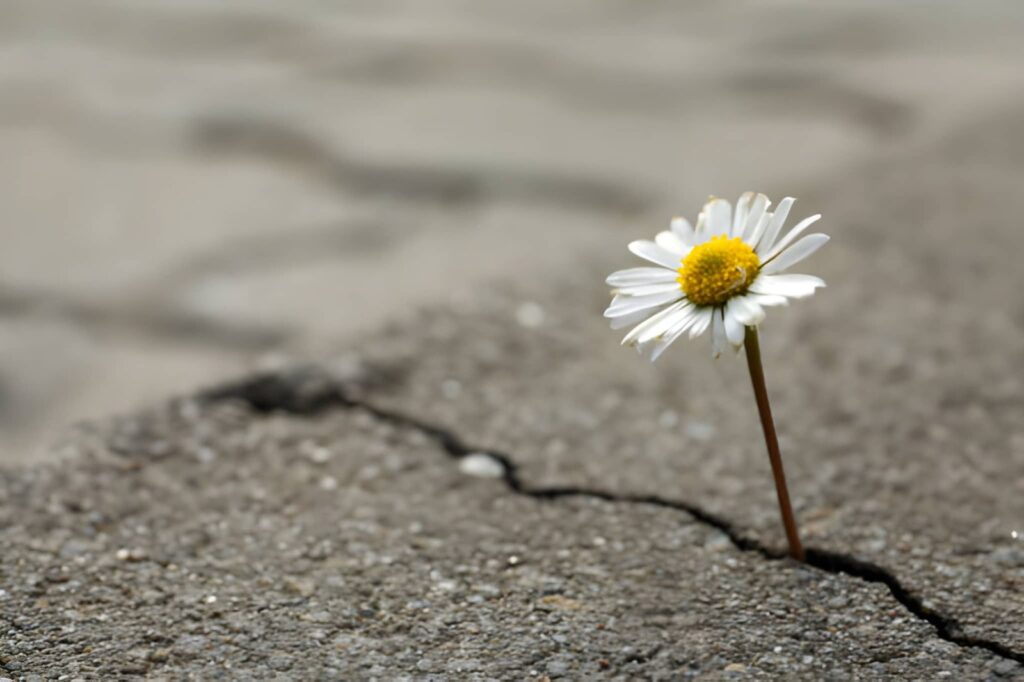
Life rarely follows a perfectly smooth path. Everyone experiences setbacks, disappointments, unexpected changes, and difficult moments. Sometimes plans fail despite careful preparation, while other times circumstances change without warning. During these moments, resilience becomes one of the most valuable qualities a person can develop.
Resilience is the ability to recover from difficulties, adapt to change, and continue moving forward. It does not mean that a person never feels sad, worried, frustrated, or disappointed. Instead, resilience is about finding a way to cope with difficult experiences while maintaining hope for the future. It helps people understand PG88 that one challenging moment does not have to define their entire journey.
Resilience Helps People Handle Challenges
Challenges are a natural part of life. Students may struggle with difficult subjects, professionals may face career setbacks, and families may experience unexpected changes.
Resilient people understand that challenges cannot always be avoided. Instead of focusing only on why something happened, they try to consider what can be done next.
This shift in thinking can make difficult situations feel more manageable.
Rather than seeing a problem as the end of the road, resilience encourages people to look for the next possible step.
Learning From Difficult Experiences
Every difficult experience can provide an opportunity to learn.
A setback may reveal weaknesses in a plan, while an unexpected problem may teach a person how to prepare more effectively in the future.
Resilience allows people to reflect on their experiences without becoming trapped by them.
The goal is not to pretend that difficult moments were easy. It is to understand what they taught and use those lessons to make better choices moving forward.
Over time, these experiences can develop wisdom and practical knowledge.
Building Emotional Strength
Resilience is closely connected to emotional strength.
People who develop resilience learn that difficult emotions are temporary and that it is possible to experience disappointment without losing hope.
This does not mean ignoring emotions or pretending everything is fine. Healthy resilience allows people to acknowledge how they feel while also searching for ways to cope.
Talking to someone trustworthy, taking time to reflect, or simply allowing yourself to rest can be important parts of moving forward.
Emotional strength grows when people learn that they can experience difficult moments and still continue their journey.
Resilience Encourages Adaptability
Change is unavoidable.
Plans may need to be adjusted, circumstances may shift, and opportunities may appear in unexpected ways.
Resilient people are often better prepared to adapt because they understand that the original plan is not always the only possible path.
If one approach does not work, they can consider another.
This flexibility is especially valuable in a rapidly changing world where technology, careers, and social environments continue to evolve.
Being adaptable does not mean giving up on goals. It means being willing to change the route when necessary.
Developing Confidence Through Experience
Resilience can strengthen confidence in a meaningful way.
When people successfully navigate difficult situations, they gain evidence that they are capable of handling challenges.
The experience may not have been comfortable, but surviving it can create a sense of inner strength.
Over time, people begin to realize that even when they do not know exactly what will happen, they can trust themselves to respond.
This kind of confidence is built through experience rather than simply through positive words.
The Importance of Support
Resilience does not require people to face every challenge alone.
Support from family, friends, teachers, mentors, and colleagues can make difficult experiences easier to manage.
Sometimes, simply knowing that someone is willing to listen can provide comfort.
Asking for help is not a weakness. In many situations, reaching out is a sign of strength and self-awareness.
Strong relationships can provide encouragement, practical advice, and a sense of belonging during challenging periods.
Small Steps Can Create Progress
When facing a major challenge, the future can sometimes feel overwhelming.
Resilience encourages people to focus on what they can do today rather than worrying about solving everything at once.
Small steps can create meaningful progress.
Completing one task, making one positive decision, or taking time to care for yourself can provide a sense of direction.
Progress does not always happen quickly, but consistent small actions can gradually create change.
Maintaining Hope
Hope is an important part of resilience.
When people believe that circumstances can improve, they are more likely to continue looking for solutions.
Hope does not require certainty about the future. It simply means remaining open to the possibility that better days can come.
Even when a particular plan does not work, another opportunity may appear.
Maintaining hope allows people to remain flexible and continue searching for possibilities.
Resilience Is a Skill That Can Grow
Some people may naturally appear more resilient than others, but resilience is not a quality that only certain individuals possess.
It can be developed over time.
Learning from experiences, building supportive relationships, practicing healthy habits, setting realistic goals, and developing problem-solving skills can all contribute to greater resilience.
Every challenge can become an opportunity to strengthen this ability.
The process may be gradual, but small improvements can make a meaningful difference.
Conclusion
The power of resilience lies in the ability to keep moving forward when life becomes difficult. It helps people adapt to change, learn from setbacks, develop emotional strength, and discover abilities they may not have known they possessed.
Resilience does not make life free from problems. Instead, it changes the way people respond to those problems.
A resilient person may still experience fear, disappointment, or uncertainty. The difference is that they do not allow one difficult experience to determine their entire future.
Life will always contain moments that challenge us. Some may be temporary, while others may require significant patience and adjustment .
What matters is developing the strength to face each situation one step at a time.
Ultimately, resilience is not about being unbreakable. It is about learning how to bend without losing your sense of direction, finding lessons in difficult experiences, and continuing to believe that progress is possible.
With patience, support, self-awareness, and hope, people can become better prepared for life’s unexpected turns Casino PG88. Resilience reminds us that even when the path changes, there is often still a way forward.