How Small Actions Create Big Changes
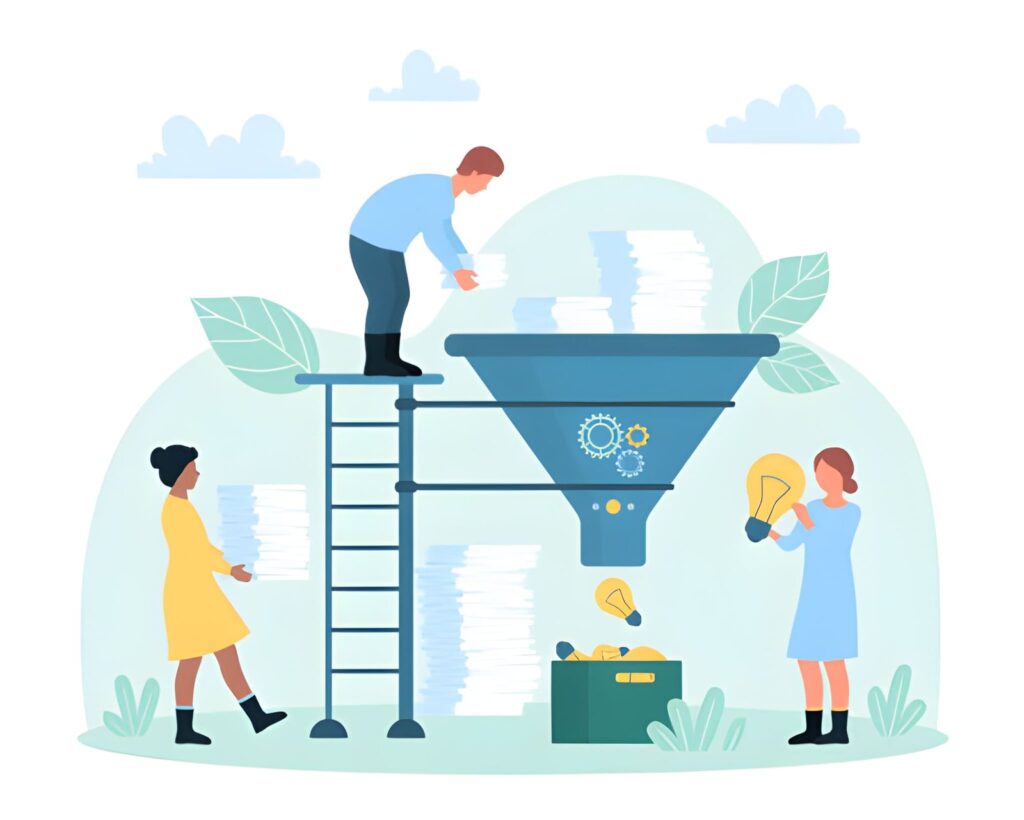
Big changes often look impressive from the outside. We see someone achieve a major goal, build a successful career, improve their health, or create something meaningful, and it can seem as though their success happened suddenly. In reality, most major achievements are built through small actions repeated consistently over time. A single step may not appear powerful, but thousands of small steps can completely change the direction of a person’s life.
The idea that small actions create big changes is simple but incredibly important. It reminds us that we do not always need to make dramatic decisions to improve our lives. Sometimes, the most powerful change begins with something as small as reading a few pages, saving a little money, learning one new skill, or choosing to be kind.
Small Steps Build Strong Habits
Habits are one of the clearest examples of how small actions can create lasting results. When an activity is repeated regularly, it becomes part of our routine. Over time, these routines can shape our behavior, mindset, and future.
For example, a person who wants to become a better reader does not need to finish an entire book in one day. Reading just a few pages each evening can eventually lead to finishing many books throughout the year. In the same way, someone who wants to improve their knowledge can spend a few minutes each day learning something new.
The action may seem insignificant at first, but consistency gives it power. Small habits become easier to maintain, and their benefits gradually become more visible.
Progress Does Not Have to Be Fast
One reason people struggle to reach their goals is that they expect immediate results. When progress is slow, they may feel discouraged and give up. However, meaningful improvement often takes time.
Think about planting a tree. A seed does not become a large tree overnight. It needs water, sunlight, care, and patience. For a long time, the visible changes may be difficult to notice. Yet beneath the surface, growth is happening.
Personal growth works in a similar way. A student may study for several weeks before noticing a significant improvement in understanding. Someone developing a professional skill may practice for months before feeling confident. The key is to continue moving forward, even when the results are not immediately obvious.
Small Actions Improve Confidence
Every time we complete a small goal, we prove to ourselves that progress is possible. This can gradually build confidence.
Imagine someone who feels nervous about speaking in front of others. Instead of trying to become an excellent speaker overnight, they can start by speaking for one minute in front of a mirror. Later, they might practice with a friend, participate in a small discussion, and eventually speak before a larger group.
Each small experience makes the next step easier. Confidence grows through action, not simply through wishing for it. Even small victories can create the motivation needed to take on bigger challenges.
The Power of Consistency
Consistency is often more valuable than occasional intense effort. A person who works toward a goal for a short time every day can often achieve more than someone who works extremely hard once and then stops.
This principle applies to education, career development, creativity, fitness, financial planning, and many other areas. Writing one paragraph every day can eventually become a complete book. Saving a small amount regularly can gradually create a useful financial cushion. Practicing a skill consistently can turn a beginner into someone highly capable.
The individual actions may be small, but their combined effect can be enormous.
Small Acts Can Influence Others
Small actions do not only change our own lives. They can also influence the people around us. A kind word, a helpful gesture, or a simple act of encouragement can make someone’s difficult day easier.
In a workplace, one person who consistently communicates respectfully can encourage a healthier environment. In a family, showing appreciation regularly can strengthen relationships. In a community, small acts of responsibility can inspire others to contribute as well.
Positive behavior often spreads. One small action can create a chain reaction that reaches far beyond the person who started it.
Starting Is More Important Than Waiting
Many people delay change because they believe they need the perfect plan or the perfect moment. In reality, waiting for everything to be ideal can prevent progress from ever beginning.
A better approach is to start with what is possible today. If the goal feels too large, break it into smaller steps. Instead of focusing on the entire journey, focus on the next action.
Want to learn something new? Start with one lesson. Want to improve your routine? Change one habit. Want to achieve a major goal? Take one practical step toward it.
The first step may feel small, but it creates momentum.
Conclusion
Big changes rarely happen because of one extraordinary moment. More often, they are the result of ordinary actions repeated with patience and purpose. Small choices shape our habits, habits influence our behavior, and our behavior eventually shapes our future.
The most encouraging part is that everyone has the ability to begin. You do not need to change everything at once. Start small, stay consistent , learn from setbacks, and keep moving forward. Over time, those little efforts can become something much bigger than you ever expected.
A small action today may seem unimportant, but when repeated day after day, it can become the beginning of a completely different tomorrow.